Nursing Home Neglect is a National Crisis
Contact us TODAY for a FREE claim review.
Do you suspect a loved one has been neglected, abused or harmed in a
Nursing Home, Assisted Living Facility
or Memory Care Unit?
About Us
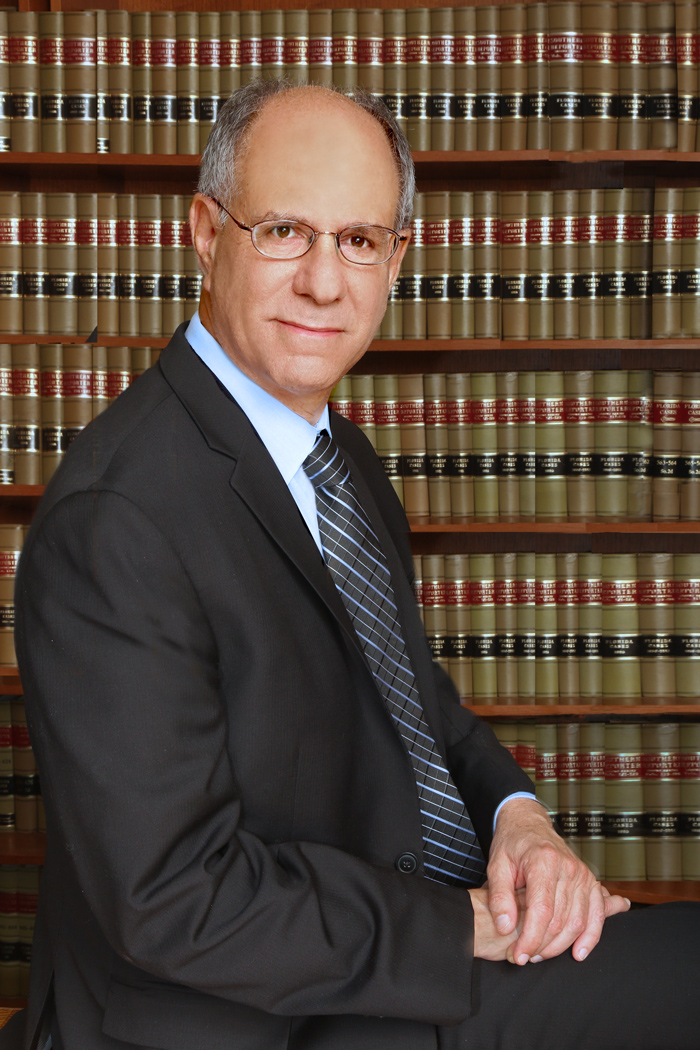
Kenneth R. Segal was born in Montreal, Quebec, Canada. He received his bachelor’s degree from McGill University, a law degree from the french-speaking university, l’Universite de Montreal, and a second law degree (Juris Doctor degree) from the University of Florida. Mr. Segal was a prosecutor with the State Attorney’s office in Orlando, Florida, after which he switched to civil law. Today, Mr. Segal’s primary focus is Assisted Living Facility and Nursing Home neglect and abuse. He is committed to providing aggressive and compassionate legal representation to those who have been victims of Assisted Living Facility and Nursing Home abuse and neglect.
Member of the Bar
Mr. Segal is a member of the Florida Bar Association and the Florida Justice Association. He is licensed to practice in all Florida state courts.
120+
Cases Solved
130+
Happy Clients
3
Regional Offices
45+
Legal Associates
Signs of Abuse and Neglect
At the Law Office of Kenneth R. Segal, P.A., we fight diligently for the rights of those who have suffered abuse and neglect in Assisted Living Facilities and Nursing Homes. We understand the substantial negative effects one can experience in the aftermath of such abuse and neglect, and our goal is to reduce those effects as much as possible by helping to secure restitution for your physical, mental, and emotional suffering. We are available to provide you with legal support in your Assisted Living Facility and Nursing Home abuse and neglect case, and we will do our utmost in an effort to see those responsible held accountable for their actions.
Bedsores
Bedsores, also known as pressure ulcers, are a significant problem in Assisted Living Facilities and Nursing Homes. They are caused by prolonged pressure on the skin, often due to immobility or lack of proper positioning.
Risk Factors for developing bedsores in Assisted Living Facilities and Nursing Homes include:
- Immobility: Residents who are unable to move freely are at a higher risk of developing bedsores.
- Incontinence: Residents who are unable to control their bladder or bowels may be at a higher risk of developing bedsores due to skin irritation and moisture.
- Poor nutrition: Inadequate nutrition can weaken the skin and make it more susceptible to breakdown.
- Friction and shear: These forces can damage the skin and contribute to the development of bedsores.
Bedsores can be painful and can lead to serious complications, including:
- Infection: Bedsores can become infected which can lead to sepsis.
- Tissue death: In severe cases, bedsores can lead to tissue death, requiring surgery.
- Increased mortality: Bedsores can increase the risk of death.
Bone Fractures and Breaks
Bone fractures and breaks are a common occurrence in Assisted Living Facilities and Nursing Homes, especially among elderly residents. Risk factors for Falls include:
- Age-related bone fragility: As people age, their bones naturally become thinner and more brittle, making them more susceptible to fractures.
- Increased risk of falls: Elderly individuals are more likely to fall, especially those with mobility issues or cognitive impairments. Falls can lead to fractures, particularly of the hip, wrist, and ankle.
- Underlying medical conditions: Certain medical conditions, such as osteoporosis and arthritis, can weaken bones and increase the risk of fractures.
Common types of fractures that occur in nursing homes include:
- Hip fractures: These are particularly serious and can lead to significant complications, including disability and death.
- Wrist fractures: These often occur when people try to break their fall with their hands.
- Ankle fractures: These can result from falls or twisting injuries.
- Vertebral fractures: These can occur due to falls or osteoporosis.
Falls
Falls are a major safety concern in Assisted Living Facilities and Nursing Homes. They can lead to serious injuries, such as fractures and head trauma, and increase the risk of mortality.
Risk factors for falls include:
- Age-related changes: As people age, their balance, vision, and muscle strength may decline, increasing their risk of falls.
- Medical conditions: Many medical conditions, such as Parkinson’s disease, stroke, and dementia, can impair balance and coordination.
- Medications: Some medications can cause dizziness, drowsiness, or other side effects that increase the risk of falls.
- Environmental hazards: Hazards such as slippery floors, cluttered pathways, and poor lighting, can increase the risk of falls.
- Immobility: Residents who are unable to move freely may be at a higher risk of falls.
Malnutrition
Malnutrition in Assisted Living Facilities and Nursing Homes is a significant problem that can have serious consequences for residents’ health and well-being. It occurs when residents do not consume enough nutrients to meet their body’s needs.
Risk factors for malnutrition include:
- Age-related changes: As people age, their appetite, taste, and sense of smell may decline, making it difficult to eat enough.
- Medical conditions: Many medical conditions, such as dementia, stroke, and swallowing difficulties, can make it difficult for residents to eat or drink.
- Medications: Some medications can affect appetite, taste, or digestion.
- Limited mobility: Residents who are unable to feed themselves or who have difficulty getting to the dining room may be at a higher risk of malnutrition.
- Poor food quality or quantity: Assisted Living Facilities and Nursing Homes that do not provide nutritious, appealing meals or that fail to accommodate residents’ dietary needs may contribute to malnutrition.
Signs of malnutrition may include:
- Weight loss: Unintended weight loss is a common sign of malnutrition.
- Decreased muscle mass: Malnutrition can lead to muscle wasting.
- Fatigue: Residents who are malnourished may feel tired and weak.
- Poor skin condition: Malnutrition can cause dry, scaly skin.
- Hair loss: Hair loss can be a sign of malnutrition.
Medication Errors
Medication errors in Assisted Living Facilities and Nursing Homes are a serious safety concern that can have serious consequences for residents’ health and well-being. These errors can occur at any stage of the medication administration process, including prescribing, dispensing, or administering medications.
Common types of medication errors include:
- Wrong medication: The wrong medication is administered to the resident.
- Wrong dose: The correct medication is administered but in the wrong dose.
- Wrong route: The medication is administered through the wrong route (e.g., orally instead of intravenously).
- Wrong time: The medication is administered at the wrong time.
- Omission of medication: A prescribed medication is not administered.
- Duplicate medication: A medication is administered twice.
Risk factors that contribute to medication errors include:
- Staffing shortages: Inadequate staffing can lead to overworked and stressed staff, increasing the risk of errors.
- Complex medication regimens: Residents often have complex medication regimens which can increase the risk of errors by overworked and stressed staff.
- Poor communication: Poor communication between healthcare providers can lead to medication errors.
- Lack of training: Staff may not have adequate training on medication administration or medication safety.
- Environmental factors: Poor lighting, noise, or distractions can contribute to medication errors.
Sexual Abuse
Sexual abuse in Assisted Living Facilities and Nursing Homes occurs when a resident is subjected to unwanted sexual contact, regardless of their ability to consent.This can include acts such as:
- Non-consensual touching: This can involve touching the resident’s intimate areas without their consent, even if the perpetrator believes they are consenting.
- Forced sexual acts: This can include rape, oral sex, or other sexual acts that the resident does not agree to.
- Sexual exploitation: This can involve using the resident’s vulnerability to coerce them into sexual activity or to exploit them sexually for the perpetrator’s own benefit.
It’s important to note that sexual abuse can be perpetrated by anyone, including staff members, other residents, or visitors.
How It Works

Consultation
Vestibulum ante ipsum primis in faucibus orci luctus et ultrices posuere cubilia Curae; Donec velit neque.

Strategize
Vestibulum ante ipsum primis in faucibus orci luctus et ultrices posuere cubilia Curae; Donec velit neque.

Take Action
Vestibulum ante ipsum primis in faucibus orci luctus et ultrices posuere cubilia Curae; Donec velit neque.
What Our Clients Say
Attorney Ken Segal took my husband’s case even though the nursing home corporation we were suing had dissolved and there was no insurance. Ken did a lot of research and found out that a court had ordered another corporation to take over the nursing home operation four weeks before my husband entered. Ken did a phenomenal job and, after a lot of work, he won the case and obtained a lot of money. He was extremely efficient and kept me apprised of what was happening. His staff was very helpful. I highly recommend Ken.
Shirley S
Ken and his team are terrific. They were patient, informative and honest.
Honest about their pricing (not the over blown fees TV firms charge you) and honest about the road ahead with your case. My case is complicated and they were able to get me a settlement on one piece and we are making progress on the other piece (which includes reversal of a summary judgment that a magistrate had granted to the Defendant).
They have never left my side.
They are steady Warriors for justice.
Yasmine M.
I was impressed by Ken Segal’s knowledge and expertise. He handled the case with professionalism and care and achieved a good result. I highly recommend him.